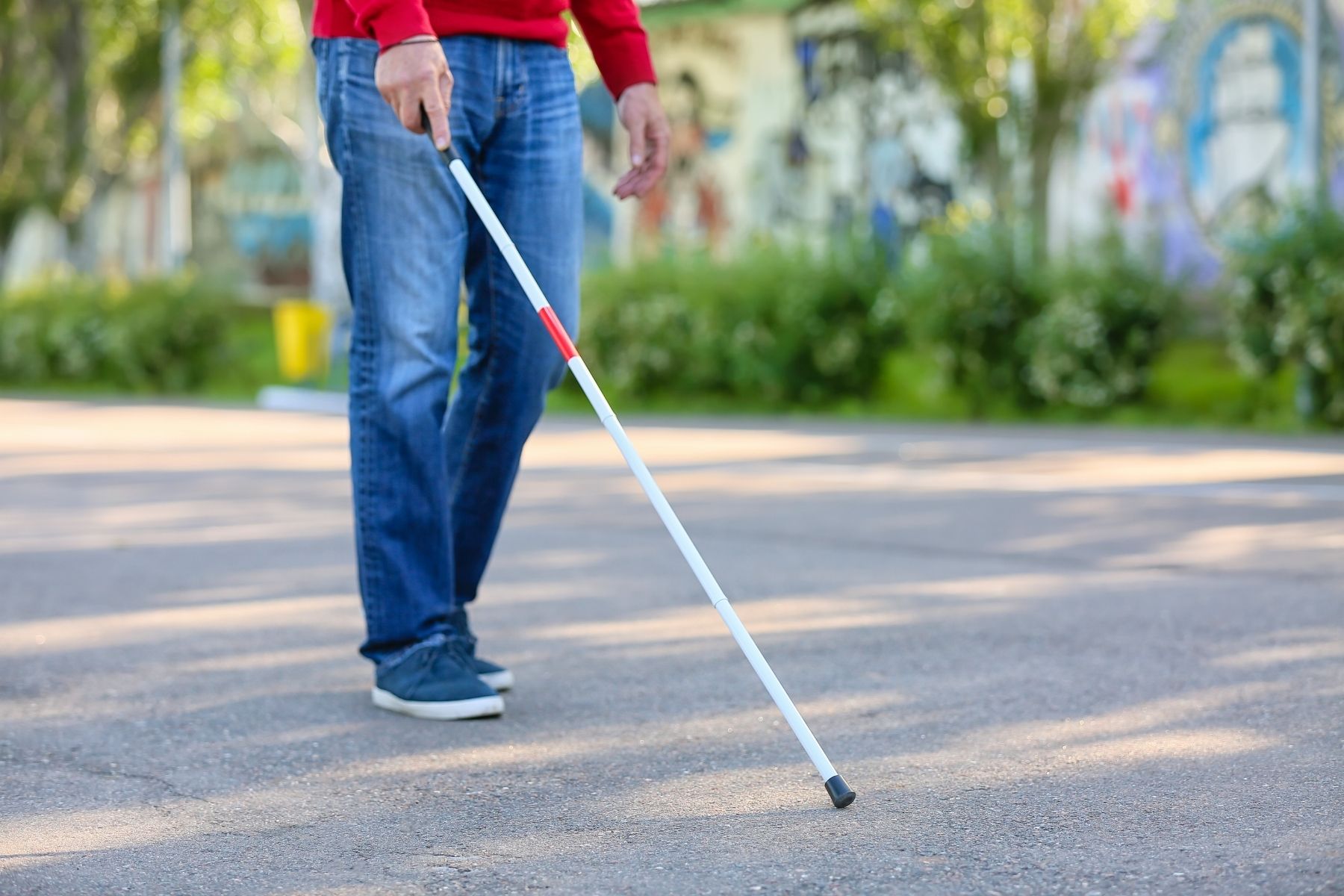
Western civilisation’s shortcomings receive considerable attention, but its contributions to preserving sight deserve recognition. Spectacles, contact lenses and modern cataract surgery, all achievements of Western civilisation, have transformed lives, helping people remain independent, productive and connected.
The World Health Organization estimates that at least 2.2 billion people have vision impairment. The leading cause is refractive errors such as shortsightedness, or myopia, and presbyopia, the gradual loss of close focusing ability commonly noticed after 40.
Spectacles emerged in northern Italy during the thirteenth century, helping ageing scholars and monks continue reading and recording knowledge. Centuries of improvements have since made clearer vision possible for countless people. Sadly, access to basic spectacles remains limited in many poorer countries.
Cataract treatment has an equally remarkable history with the first cataract operation being performed by French surgeon, Jacques Daviel who pioneered modern cataract surgery in the eighteenth century. British surgeon Sir Harold Ridley, whom I was privileged to meet, implanted the first artificial lens in 1949, reducing reliance on thick, heavy spectacles. American surgeon Charles Kelman introduced a technique using ultrasound to break up the cloudy lens, allowing its removal through a small incision which is still the procedure in use.
These achievements of Western civilisation remind us of the massive benefits which have transformed the lives of billions around the world.
At Dr Alan Burrow Optometrist, we bring these advances together with care tailored to you. In depth eye examinations, carefully fitted spectacles and timely specialist referrals help you benefit from modern eyecare. We take time to understand your needs, helping you see comfortably, preserve your independence and keep enjoying the activities that matter most to you.
For those who’d like to delve deeper, this fascinating video offers a history of spectacles like you’ve never seen before.