Many people think of vision as a simple process, like a television camera sending pictures to a screen in the brain. However, scientists say this idea is far from the truth. Vision is actually a complex process that involves both the eyes and the brain working together.
The eyes collect information from the world around us and convert it into electrical and chemical signals. These signals are then sent to the brain, where they are interpreted to create the images we see. Other sense organs also play an important role by helping to stabilise the image and maintain balance.
Humans have two eyes positioned slightly apart on the head. As a result, each eye sees a slightly different view of the same object. The brain combines these two images to create a single picture. This process, known as binocular summation, allows people to see in three dimensions (3D).
Three-dimensional vision provides an important advantage in everyday life. It improves depth perception and eye-hand coordination, making tasks such as catching a ball, pouring a drink, or threading a needle much easier and more accurate.
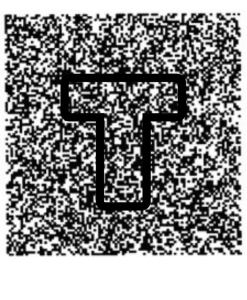
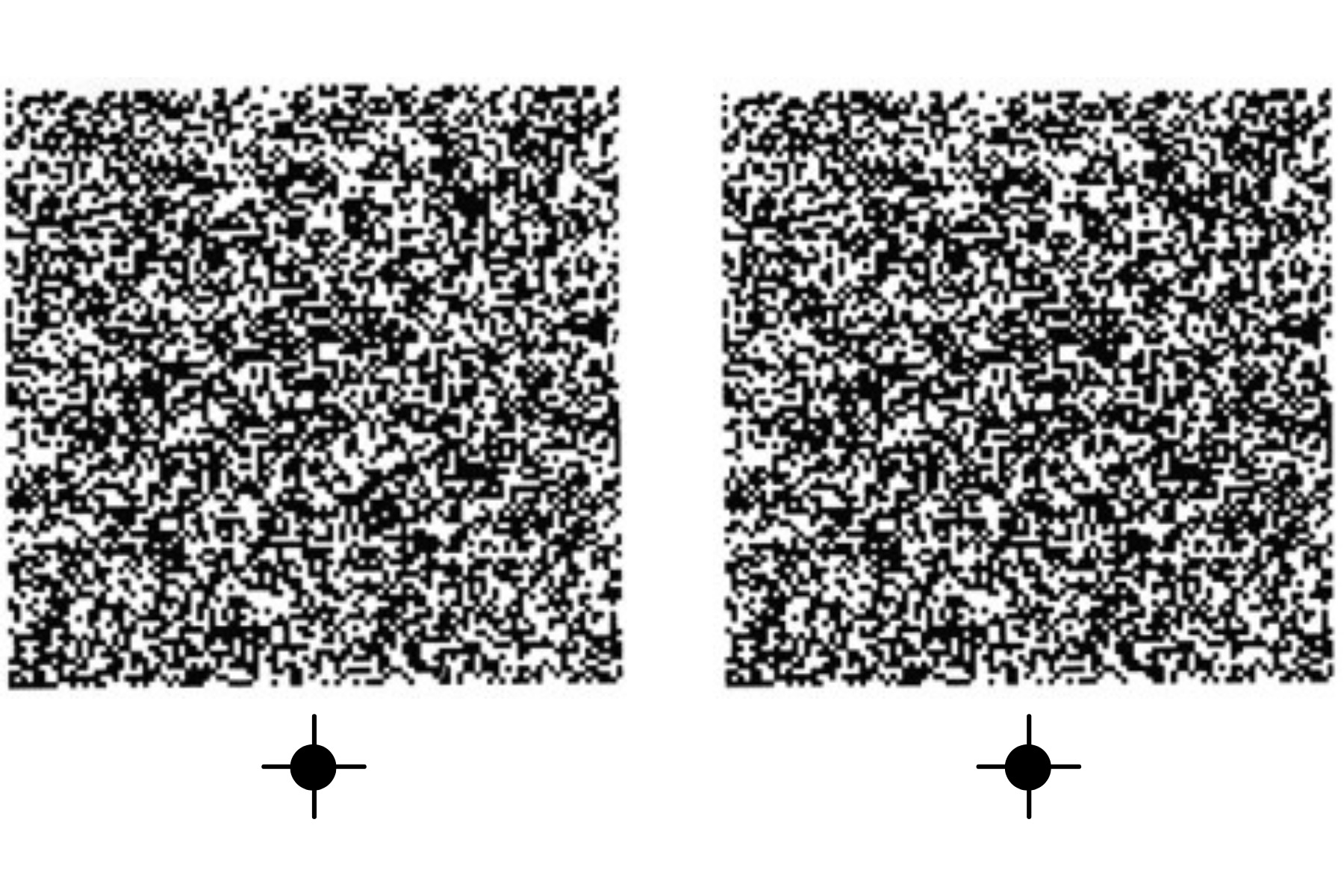
A simple experiment can demonstrate how binocular vision works. Special pairs of images can hide a three-dimensional picture that only becomes visible when the brain combines the two separate images. By focusing correctly and allowing the images to merge, viewers can experience the hidden picture appearing to jump out towards them.
To merge the images, hold a pen between the screen and your nose. Look at the tip of the pen with the two images and dots in the background. While continuing to focus on the pen, slowly move it towards and away from you. As you do, the two dots will appear initially to be four dots. By continuing to focus on the pen while moving it back and forth, two dots will appear to merge so that you will now see three dots. Continue to focus on the middle dot, while directing your attention to the third block above (the two blocks will appear to merge into one at this point). After a short while, the stereo image should appear to jump out towards you.
This remarkable ability highlights the brain’s role as a powerful “vision computer,” turning information from our eyes into the rich, three-dimensional world we experience every day.